Search
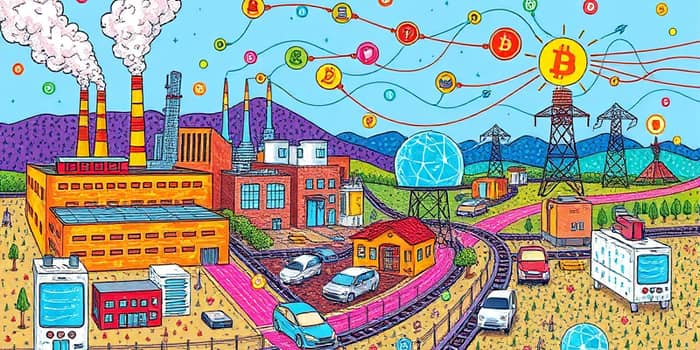
In an era defined by relentless technological advancement, the very foundations of asset value are being tested and transformed. Long-held investments in infrastructure, designed for stability over decades, now face unprecedented challenges from innovations that evolve in mere years. This dynamic interplay between destruction and creation offers both peril and promise for stakeholders across industries.
Imagine a utility grid built for the 20th century, now strained by the surge of electric vehicles and renewable energy sources. This scenario illustrates how disruption forces a reevaluation of what constitutes valuable assets. By understanding and embracing this change, investors can turn potential threats into lucrative opportunities.
The key lies in recognizing that innovation is not a linear process but a complex force that can erode or enhance value depending on one's approach. Adaptive strategies and forward-thinking mindsets are essential to thrive in this volatile landscape. Let's explore how disruption impacts asset value and uncover practical ways to harness its power.
Disruptive innovation acts as a double-edged sword in asset management, capable of both diminishing and amplifying value. On one hand, it can render traditional assets obsolete by introducing new technologies and business models. For example, the rise of mini-mills in the steel industry offered a 20% cost advantage over integrated firms, leading to significant market shifts and devaluation of legacy holdings.
On the other hand, this same disruption opens doors for higher returns through flexible and adaptive investment strategies. By reinvesting cash flows from established assets into emerging technologies, investors can capture growth and enhance exit multiples. This dual impact underscores the importance of a balanced portfolio that can weather storms and seize new opportunities.
Innovation manifests in various forms, each with distinct effects on asset value. Understanding these types helps investors anticipate shifts and make informed decisions.
By categorizing innovation, investors can better assess risks and align their strategies with market trends. This awareness enables proactive measures to protect asset value while exploring growth avenues.
The process of disruption follows a predictable yet powerful path that can transform industries in under a decade. It begins with incumbents being challenged by new entrants who leverage enabling technologies and innovative models.
This leads to the destruction of established businesses, such as Kodak falling to digital photography or Blockbuster to Netflix. Simultaneously, value creation occurs through the combination of multiple innovations, accelerating growth and boosting returns for agile investors.
At the portfolio level, disruption can enhance old economy assets by digitizing them, offering new revenue streams and improved efficiency. The stages of disruption provide a framework for understanding this evolution:
This cycle highlights the need for timely adaptation and continuous learning in investment decisions. By monitoring these mechanisms, investors can position themselves to benefit from both the destruction and creation phases.
Certain infrastructure sectors are particularly vulnerable to disruption, but they also offer rich opportunities for those who adapt proactively. Understanding sector-specific impacts allows for targeted investment strategies that mitigate risks and capitalize on trends.
This table serves as a practical guide for investors to identify hotspots and allocate resources effectively. By focusing on sectors with high disruption potential, one can build a resilient portfolio that thrives on change.
To protect asset value and capitalize on innovation, investors must adopt forward-thinking approaches that embrace flexibility and sustainability. These strategies empower stakeholders to navigate uncertainty and achieve long-term success.
By implementing these strategies, investors can transform disruption from a threat into a catalyst for growth. Proactive adaptation and continuous learning are key to staying ahead in this fast-paced environment.
While disruption brings opportunities, it also introduces significant risks that require careful management and strategic planning. Long asset lifespans amplify the consequences of poor decisions, making agility and foresight critical components of success.
Regulatory and tax challenges can drag on returns, but a balanced approach that integrates risk mitigation can offset these issues. By fostering a culture of experimentation and using agile frameworks, investors can test feasibility and scalability before full commitment.
Understanding and addressing these elements allows investors to build resilience and drive sustained growth. Strategic foresight and operational agility are essential for turning challenges into advantages in a disruptive world.
The journey of disruption is far from over, with emerging trends poised to reshape asset value further and redefine investment landscapes. Megatrends like the AI revolution, the rise of electric vehicles, and the adoption of blockchain are ongoing forces that will dominate the next decade.
Historically, the innovator's dilemma shows that incumbents often maximize short-term profits at the expense of long-term ground, leading to missed opportunities. However, by embracing disruption as a growth catalyst rather than a threat, investors can unlock new value propositions and revenue models.
Rethinking approaches to be digital, scalable, and customer-centric ensures assets remain relevant in a volatile world. The positive economic impact of technology over time, boosting total wealth through innovation, offers hope for a prosperous future for those who adapt.
The key to future success lies in staying informed, adaptable, and ready to pivot when disruption calls. By leveraging these trends, investors can build portfolios that not only withstand change but thrive on it, ensuring lasting value in an innovative age.
References