Search
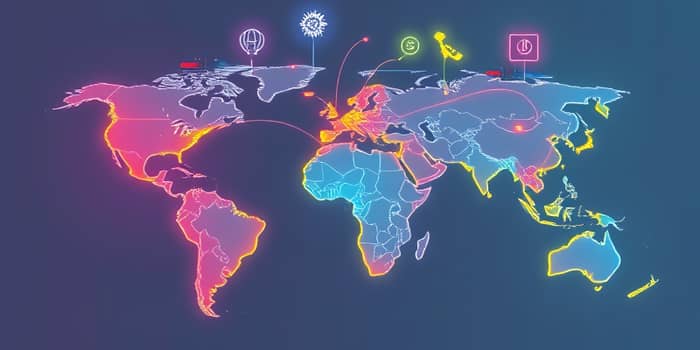
The global trade landscape is undergoing a seismic transformation, demanding a fresh perspective from businesses worldwide. Traditional efficiency models are being upended by new geopolitical realities and technological shifts, compelling a reevaluation of strategies.
As we approach 2026, companies must adapt to uneven growth patterns and emerging corridors that redefine success. This article explores the key dynamics reshaping trade and offers practical insights for thriving in this new era.
The stakes are high, with liquidity and resilience becoming critical factors for competitiveness in fragmented markets. By understanding these changes, businesses can position themselves for sustainable growth and innovation.
Global GDP growth forecasts highlight significant regional disparities, reflecting uneven performance and trade uncertainties. According to various sources, growth rates vary, with emerging markets driving much of the expansion.
Key projections include:
These figures underscore the widening gap between regions. For instance, the US is projected at 2.2% growth, fueled by tax incentives, while China slows to 4.5% due to external pressures.
India stands out with forecasts of 7.5-7.8% in FY2025-26, then 6.6-6.9%, showcasing its rising prominence. Regional growth gaps are widening, shifting demand geography towards Asia and the Middle East.
Geopolitical rivalries are reshaping trade flows, with national security overriding efficiency in sourcing and logistics. The US-China rivalry remains a central axis, impacting routes and investments across Asia.
Other key tensions include:
These dynamics create uncertainties that businesses must navigate. Geopolitical risks are escalating, affecting supply chains and market access in unpredictable ways.
As tariffs and barriers rise, companies need to realign their strategies to mitigate exposure. This requires a proactive approach to building resilient partnerships.
Supply chains are evolving towards friendshoring and nearshoring, with diversification from China to regions like India, Vietnam, and the Gulf states. This shift is driven by the need for resilience and reduced dependency.
AI infrastructure is booming, driving demand for metals and chemicals, which tightens supply and raises input prices. This trend necessitates careful planning for material sourcing.
New growth corridors offer opportunities but come with challenges:
Embracing these corridors can unlock new markets, but it requires adaptability and strategic foresight. Businesses should explore partnerships in emerging hubs.
Financing landscapes are shifting, with non-bank financing expanding through private credit and fintech solutions. This offers flexibility but requires understanding of new structures.
Currency volatility, such as a softer US dollar medium-term, impacts pricing and competitiveness. Rising yuan settlement in Asia adds complexity to financial strategies.
SMEs can leverage tools like receivables finance to manage cash flow. Trade finance is crucial for entering new markets with longer cycles and regulatory hurdles.
Liquidity is key for securing materials and production in uncertain times. Businesses should prioritize financial resilience to stay competitive.
Based on insights, ten interconnected trends are driving change in 2026. These forces require attention from businesses aiming to succeed.
Additional trends include non-bank financing expansion and new corridors boosting opportunities. Regulatory divergences by region add complexity, demanding adaptability.
Liquidity and resilience define success in this landscape. By monitoring these trends, companies can anticipate shifts and innovate accordingly.
To thrive in this new trade environment, businesses must adopt practical strategies. Start by assessing exposure to geopolitical risks and diversifying supply chains.
Key actions include:
Embrace AI and technology to optimize operations. Focus on resilience over short-term gains, as this fosters long-term sustainability in volatile markets.
Regularly review trade policies and adapt strategies accordingly. Engage with industry networks to stay informed on regulatory changes and opportunities.
By taking these steps, businesses can turn challenges into advantages. The new rules of engagement require agility and a forward-thinking mindset for lasting impact.
References