Search
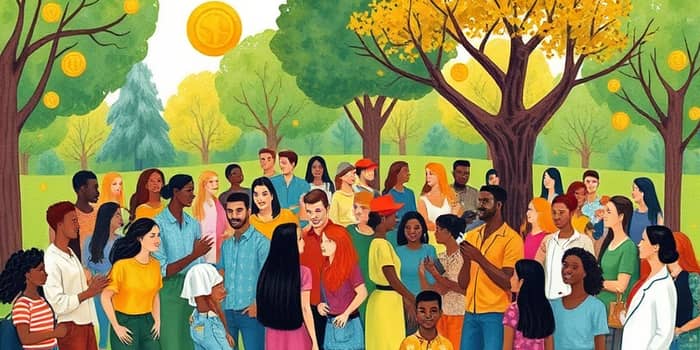
For decades, Gross Domestic Product (GDP) has stood as the primary measure of national success, but it paints an incomplete picture of our lives.
While it tracks market transactions, it ignores the very fabric of human flourishing, from family care to environmental health.
As we navigate global crises, it's crucial to shift our focus to what truly matters, inspiring a more equitable and sustainable future.
GDP calculates the monetary value of goods and services, but it leaves out non-market activities that sustain societies.
Unpaid work like childcare, cooking, and volunteering remains invisible, underestimating contributions especially in home-based economies.
During events like the COVID-19 pandemic, this gap became starkly apparent, highlighting GDP's limitations.
Moreover, GDP treats environmental harms as non-events, unless they spur market activity.
Pollution, resource depletion, and climate change are overlooked, despite their long-term impacts on well-being.
Income inequality is another blind spot, with GDP masking disparities between rich and poor, and across regions.
It also fails to account for subjective factors like health, education, and community vitality, which define quality of life.
This narrow focus means GDP is not up to the task of measuring progress in a complex world.
To address these gaps, innovative frameworks have emerged, offering a more comprehensive view of well-being.
These alternatives integrate economic, environmental, and social dimensions, moving beyond mere growth metrics.
They empower communities to track what enhances human capabilities and planetary health.
These indicators help capture social equity and ecological balance, providing a roadmap for meaningful progress.
Critiques of GDP are not new; they date back to Robert Kennedy's 1968 speech, where he questioned what makes life worthwhile.
In 2009, the Sarkozy-Stiglitz Commission highlighted GDP's inadequacies, sparking global conversations on better measures.
Initiatives like the EU's "Beyond GDP" and OECD's well-being indicators are driving change, advocating for metrics that reflect real-world challenges.
These efforts underscore a growing recognition of GDP's flaws and the urgency for reform.
Cities are pioneering the adoption of alternative metrics, acting as laboratories for innovation in well-being measurement.
They can promote public reporting, develop localized indicators, adjust policies based on data, convene diverse stakeholders, and advocate for broader adoption.
Businesses are also evolving, with models like B Corps and worker-owned co-ops prioritizing social and environmental accountability over pure profit.
Examples include the Cleveland Model, which integrates green practices and fair wages, showing how business can align with community well-being.
Moving beyond GDP requires actionable strategies that everyone can embrace to foster a better future.
Start by using a mix of indicators to gain a complete understanding of progress, linking income, activity, environment, and quality of life.
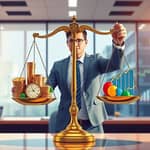
Redefine prosperity to include sustainable consumption and overall well-being, rather than just economic expansion.
Policymakers need accurate data, as GDP is often a relic of a bygone era, inadequate for modern complexities.
Embracing measures beyond GDP is not just an economic necessity but a moral imperative for creating a world where all can flourish.
By valuing what truly matters—from community vitality to environmental stewardship—we can chart a path toward inclusive and sustainable progress.
Let's draw inspiration from global initiatives and local actions to redefine success, ensuring that economic growth serves human happiness and planetary health for generations to come.
References